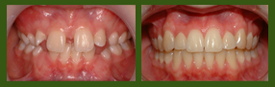

A chipped tooth is a common dental injury that can happen unexpectedly, often from an accident or biting down on something hard. While many chips are minor, they can affect your smile and sometimes leave you susceptible to tooth decay or gum disease.
Many people associate orthodontic treatment with straightening teeth for a better-looking smile, but rarely think about alignment contributing to a healthier smile. Proper alignment of the teeth and jaw can actually play a significant role in preventing future dental damage, including chipped teeth.
Correcting a Misaligned Bite
When your teeth are misaligned, they do not meet correctly, which can subject certain teeth to excessive force and pressure. Over time, this imbalance can lead to a higher risk of fractures, wear, and chips.
In an ideal bite, the forces of chewing are distributed evenly across all your teeth. However, many people have malocclusions, where their bite is less than optimal. Common types of malocclusion that increase the risk of chipping include:
- Crossbite: One or more upper teeth bite on the inside of the lower teeth. This can cause teeth to collide at odd angles during chewing.
- Overbite or Underbite: The upper front teeth excessively overlap the lower front teeth, or the lower teeth overlap the front teeth. In severe cases, the teeth can wear down the back of the teeth they improperly overlap.
- Protruding Front Teeth: Front teeth that stick out, sometimes called “buck teeth,” are more exposed and vulnerable to being chipped or broken from a fall or direct impact.
Orthodontic treatment, whether with braces or clear aligners, repositions the teeth to create a proper bite. By aligning the teeth, chewing forces are spread out more evenly. This reduces the strain on individual teeth, making them less likely to chip under pressure.
Reducing Abnormal Tooth Wear
When teeth are not aligned correctly, they often grind against each other in unnatural ways. This constant, improper contact can wear down tooth enamel, the hard, protective outer layer of your teeth. As enamel becomes thinner, the tooth weakens and becomes more susceptible to chipping and cracking.
Orthodontic treatment corrects these issues by guiding teeth into positions where they function without causing excessive wear on one another. By preserving tooth structure, orthodontics helps maintain the strength and integrity of your teeth for years to come.
Protecting Vulnerable Teeth
Certain tooth misalignments leave specific teeth in a compromised position. Teeth that are rotated, crowded, or that stick out are often the first to be damaged in an accident. Protruding front teeth, in particular, have a much higher risk of traumatic injury. A simple trip and fall can result in a chipped or completely broken front tooth that may require extensive dental work to repair.
By moving these teeth into their correct positions, orthodontic treatment places them within the protective arch of the mouth. When teeth are properly aligned, they are better shielded by the lips and cheeks. This simple repositioning can dramatically lower the risk of dental trauma throughout a person’s life, especially for active children and adults.
One More Reason to Consider Orthodontic Treatment
While orthodontic treatment is mostly known for creating straighter smiles, its role in preventive dental care is just as important. Perhaps surprisingly, orthodontics provides a strong defense against future tooth chips, cracks, and fractures. The result is a smile that not only looks great but is also more resilient.
Investing in orthodontic care is an investment in the long-term health and durability of your smile. If you are ready to explore your orthodontic options, a consultation can help you understand what treatment is best for you. Contact us to schedule an appointment today!