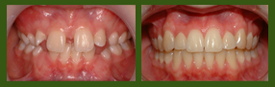
Tooth crowding occurs when there isn’t enough space in your jaw for all of your teeth to align properly. While it can make you feel self-conscious about your smile, crowding is more than just a cosmetic concern. When teeth are crowded, they can be much harder to clean effectively, increasing your risk of cavities and gum disease.
Understanding the reasons behind tooth crowding is the first step toward seeking a solution. The good news is that orthodontics offers effective, predictable ways to create a healthy, properly aligned smile.
Why Crowding Happens
Tooth crowding isn’t a single issue but rather the result of several potential factors, many of which are completely out of your control. However, considering the root cause of your overcrowding can help determine the best course of action for treatment.
Genetics and Jaw Size
More often than not, the primary cause of tooth crowding is genetics. You inherit traits from your parents, including the size of your teeth and the size of your jaw. This can lead to a few common scenarios:
- Large Teeth, Small Jaw: You might inherit one parent’s large teeth and the other’s small jaw, leaving insufficient room for all your teeth to erupt in a straight line.
- Mismatched Jaw Growth: The upper and lower jaws may grow at different rates or to different sizes, impacting how the teeth come together and align.
Early (or Late) Loss of Baby Teeth
Your baby teeth play an often unsung role that goes beyond just helping you chew as a child. They act as natural placeholders, reserving the proper amount of space in the jaw for the permanent teeth that will eventually replace them.
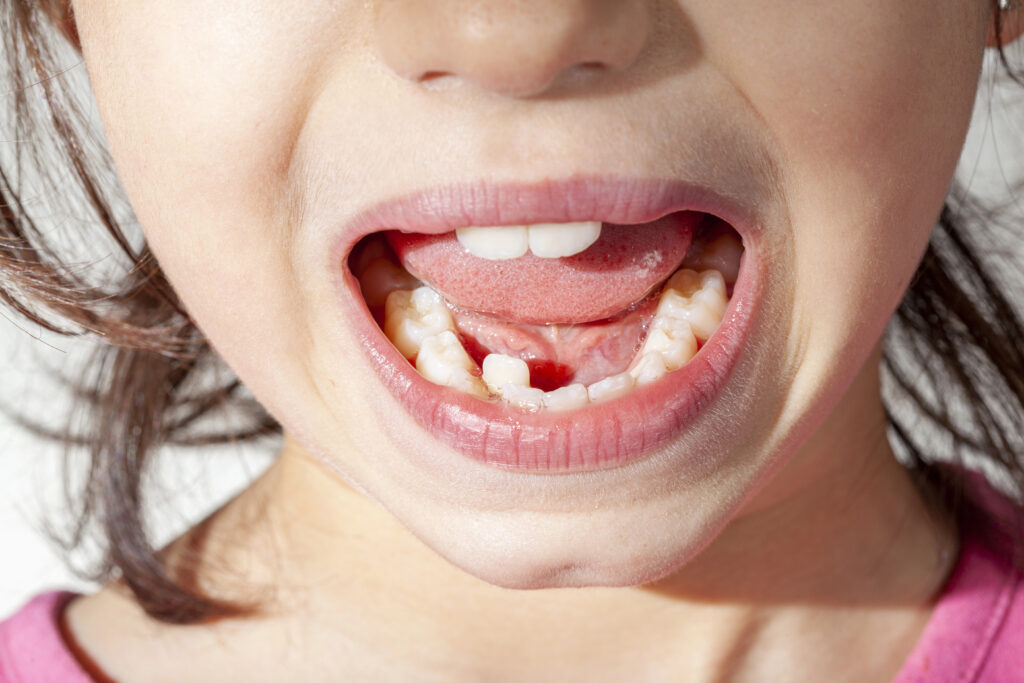
When a baby tooth is lost too early due to decay or injury, the teeth on either side of the gap may drift into the empty space, effectively closing it off. When the permanent tooth is finally ready to erupt, it finds its path partially or fully blocked. With nowhere to go, it may emerge crooked, become impacted, or force other teeth out of alignment.
Habits and Environmental Factors
Certain habits, especially when done during childhood when the jaw is still developing, can influence how the teeth and jaw align. These prolonged pressures can disrupt the natural pattern of tooth eruption and jaw growth, contributing to crowding.
- Thumb-Sucking or Pacifier Use: Prolonged thumb-sucking or pacifier use (especially beyond age 3 or 4) can put pressure on the front teeth and the roof of the mouth. This can cause the upper arch to narrow and the front teeth to flare out, leading to alignment issues.
- Tongue Thrusting: This is a habit where the tongue pushes forward against the front teeth when swallowing, instead of pressing against the roof of the mouth. This constant forward pressure can push the teeth out of alignment and create spacing or crowding problems.
- Mouth Breathing: Chronic mouth breathing, often due to allergies or enlarged tonsils, can affect facial development. It may lead to a narrower upper jaw, which in turn reduces the space available for the permanent teeth.
Why Address Tooth Crowding
While many people seek treatment for crowding to improve the appearance of their smile, the health benefits are even more significant. Correcting crowded teeth is a proactive investment in your long-term oral health.
- Easier Cleaning: Straight teeth are far easier to brush and floss. Properly aligned teeth eliminate the tight, overlapping spaces where plaque and bacteria love to hide, reducing your risk of decay and gum disease.
- Improved Bite Function: Crowding can contribute to a misaligned bite. Correcting the alignment can improve your ability to chew properly and reduce uneven wear on your teeth.
- Reduced Risk of Injury: Protruding or misaligned teeth are more susceptible to being chipped or fractured in an accident.
Don’t Let Crowding Compromise Your Smile
If you are concerned about crowded teeth for yourself or your child, take the first step and schedule an orthodontic consultation to find out more about the causes and your treatment options.