Canker sores are extremely common, but they can be an unwelcome surprise when they show up alongside a new set of braces or aligner trays.
Canker sores during orthodontic treatment can develop for several reasons. Understanding why they happen is the first step toward managing them effectively.
What Exactly is a Canker Sore?
A canker sore is a small, shallow lesion that develops on the soft tissue inside the mouth. Unlike cold sores, canker sores aren’t contagious and don’t appear on the outside of the lips.
They typically look like a white or yellowish spot surrounded by a ring of redness, and they can range from mildly irritating to quite painful, especially when eating or talking.
Most canker sores heal on their own within a week or two, but that doesn’t make them any less bothersome in the meantime, particularly if you’re also adjusting to new orthodontic hardware.
Why Orthodontic Treatment Can Trigger Canker Sores
Braces and clear aligners are excellent tools for straightening your smile, but they also introduce new surfaces and pressure points inside your mouth. Here are some of the most common reasons canker sores tend to pop up during treatment.
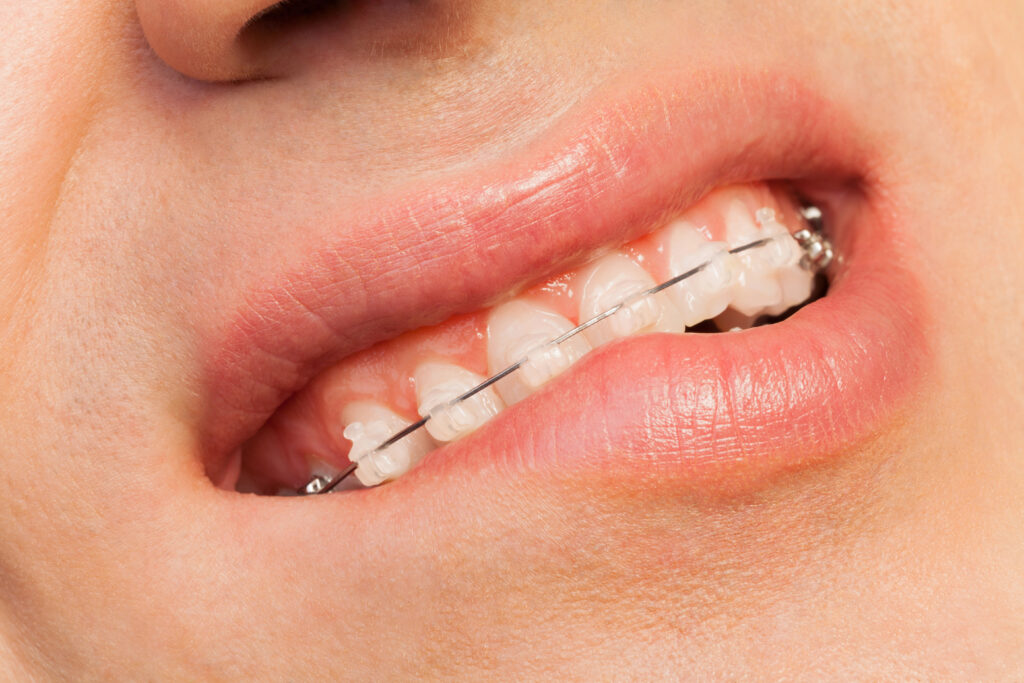
- Friction from brackets and wires. Braces have edges and surfaces that can rub against the inside of your cheeks, lips, and tongue, especially in the first few weeks after they’re placed or after an adjustment.
- Rubbing from aligner edges. Clear aligners like SureSmile are designed to fit closely against your teeth, but the edges can sometimes irritate the gums or soft tissue until your mouth adjusts to wearing them.
- Minor tissue injuries. Accidentally biting your cheek or lip while getting used to new brackets or a fresh aligner tray can create the kind of small tissue injury that turns into a canker sore.
- Stress or diet. Canker sores aren’t always caused by hardware alone. Stress, certain acidic or spicy foods, and minor nutritional deficiencies can make some people more prone to developing them, regardless of orthodontic treatment.
Sensitivity from a New Appliance Versus a Recurring Sore
It’s worth noting that canker sores related to new hardware tend to show up at predictable times, like right after you get braces placed, right after an adjustment, or when you switch to a new aligner tray. As your mouth toughens up and adapts to the appliance, this type of irritation typically becomes less frequent.
If you notice sores appearing in the same spot over and over, though, it may be a sign that a specific bracket, wire, or aligner edge needs attention rather than something you simply need to wait out.
Tips for Managing Canker Sores
While you wait for a canker sore to heal, a few simple steps can make a real difference in your comfort level.
Applying orthodontic wax over any rough or sharp spots on your braces can reduce ongoing friction while the sore heals. Rinsing gently with warm salt water a few times a day may also help soothe irritation and keep the area clean.
It’s also a good idea to avoid acidic, spicy, or crunchy foods that could further aggravate the sore. Likewise, sticking to a soft-bristled toothbrush can help you keep up with oral hygiene without increasing irritation to sensitive tissue.
Lastly, over-the-counter oral gels or numbing products made for canker sores can also help ease discomfort while you eat or talk.
When to Contact Our Office
Most canker sores linked to braces or aligners are a normal part of your mouth adjusting to a new orthodontic appliance, and they typically resolve within a week or so. However, there are times when it’s worth giving us a call.
If a sore lasts longer than two weeks, seems unusually large or painful, or if you’re noticing recurring sores in the same spot, let us know. This could mean a specific bracket, wire, or area of your aligner needs a small adjustment to stop the irritation at its source.