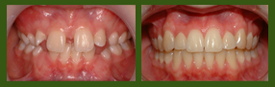

Braces and clear aligners do more than improve your smile. Because it shifts the position of your teeth and bite over time, orthodontic treatment puts your body to work remodeling bone and tissue.
What you eat during orthodontic treatment can make a real difference in how quickly you heal after adjustments, how strong your teeth remain, and how healthy your gums stay. By focusing on the right foods, you’re giving your body the tools it needs to make treatment as smooth and successful as possible.
The Role of Nutrition in Orthodontic Treatment
Good nutrition during orthodontic treatment helps in several ways. It strengthens tooth enamel, protecting against cavities while your teeth are being repositioned. It supports healthy gums, reducing inflammation and lowering the risk of gum disease. Proper nutrition also speeds up healing after adjustments and maintains a balanced oral environment for optimal progress.
Right after getting your braces adjusted or switching to a new set of aligners, your teeth may feel a little sore. During this time, soft foods are your best friend. They’re gentle on sensitive teeth while still providing the nutrients your body needs.
Soft, nutrient-rich options include Greek yogurt, smoothies, scrambled eggs, mashed potatoes, oatmeal, and soft fruits (like bananas, mangoes, and strawberries), which are naturally gentle on teeth and gums.
Once the initial soreness fades, you can return to a more varied diet. Just remember: if you have braces, continue avoiding foods that could damage your brackets and wires. And, of course, if you have aligners, you should remove them any time you eat.
Best Foods for Strong Teeth and Healthy Gums
Certain nutrients play particularly important roles in supporting your orthodontic treatment. Understanding what these nutrients do and where to find them can help you make better food choices.
Calcium for Bone and Tooth Strength
Calcium is one of the most important minerals for dental health and orthodontic success. Your body needs calcium to remodel bone as your teeth move. It also keeps tooth enamel strong, protecting against decay during treatment.
You’ll find calcium in dairy products like milk, yogurt, and cheese. Leafy greens such as kale and spinach are good sources. Almonds and fortified plant-based milk also provide calcium.
Vitamin D for Calcium Absorption
Without enough vitamin D, your body can’t absorb calcium properly. This vitamin also supports bone health, which is fundamental to the tooth movement process.
Fatty fish like salmon and tuna are excellent sources of vitamin D. Eggs contain it naturally, and many milk and cereal products are fortified with it. Even spending 10-15 minutes in the sun each day can help your body produce vitamin D naturally.
Vitamin C for Gum Health
Vitamin C strengthens the connective tissues in your gums and helps reduce inflammation, which is especially helpful if your braces occasionally irritate your gum tissue.
Citrus fruits like oranges and grapefruits are well-known sources of vitamin C. Bell peppers actually contain more vitamin C than most citrus fruits. Strawberries, broccoli, and tomatoes are also good options.
Protein for Tissue Repair
During orthodontic treatment, your gums and the tissues supporting your teeth are constantly adapting to change. Adequate protein intake supports this ongoing process.
Lean meats, poultry, and fish provide high-quality protein. If you prefer plant-based options, tofu, beans, and lentils are protein-rich alternatives. Eggs and Greek yogurt also pack a protein punch.
Collagen for Rebuilding
Collagen is a protein that supports the structure of your teeth, gums, and bones. While your body produces collagen naturally, consuming it through foods like bone broth may provide additional support during the healing process.
Healthy Dental Habits for Life
Your diet plays a more significant role in orthodontic success than many people realize. But choosing nutrient-rich foods can keep your smile healthy even after your treatment is complete.
If you have questions about which foods are best for your orthodontic healing journey or need guidance on caring for your braces or aligners, that’s why we’re here! Schedule a consultation to discuss how you can optimize your treatment through proper nutrition and care.