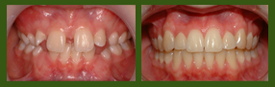

Clear aligners are a great option for straightening teeth invisibly. However, a common concern we hear from patients is whether they will have trouble talking with their aligners in place.
You want to feel confident in your daily life while undergoing orthodontic care. Let’s look at how clear aligners work and what you can expect when you first start wearing them.
How Clear Aligners Work
Clear aligners are custom-made, completely transparent trays designed to shift your teeth into alignment gradually. To do this, they must fit tightly over your upper and lower teeth.
Because you are introducing something new into your mouth, as a result, your tongue, lips, and brain work together to adapt to this new environment.
Initial Speech Adjustments
When you put your first set of aligners in, it will feel different. Your tongue normally rests against the back of your upper teeth to produce specific sounds. With the aligners in place, your tongue may now hit your aligner instead of tooth enamel.
This slight change in thickness can cause your speech to sound a little bit altered for the first few days. You might feel like your tongue is a bit “clumsy.” But don’t worry! Your brain simply needs a short period to adjust to the change.
It is important to remember that any change to speech is usually very mild. In fact, most of the time, you will notice it far more than anyone else around you. Friends and coworkers rarely pick up on the slight changes in your pronunciation.
The Importance of Fit
If an aligner is loose or overly bulky, it will interfere with your tongue much more. A tightly fitted tray reduces the chances of a prolonged lisp and makes the transition much smoother for your speech.
We use advanced 3D imaging to create aligners that fit your teeth perfectly. A precise fit is needed for moving your teeth effectively, but it also helps minimize speech disruptions.
Tips for Adapting Quickly
Fortunately, any changes to your speech are entirely temporary. Your mouth is incredibly adaptable, and your tongue will quickly figure out how to work around the aligners. There are several proven ways to speed up this adjustment process.
Practice Speaking Aloud
Your instinct may be to avoid talking, but the fastest way to train your tongue is to use it. Read a book, a magazine, or even sing out loud to yourself. Focus on pronouncing words clearly and slowly at first.
Repeat Difficult Sounds
If you notice that specific sounds are giving you trouble, practice repeating them. Say words like with those sounds repeatedly to help your tongue find the right position.
Stay Hydrated
Clear aligners can sometimes cause your mouth to produce extra saliva or, conversely, feel a bit dry at first. Drinking plenty of water can help in either case, making it much easier to speak clearly and comfortably.
Keep Your Aligners In
It can be tempting to remove your trays when you have to make a phone call or speak in public. However, taking them out will mean it will take longer to adjust. Wear them for the recommended 20 to 22 hours a day so your mouth gets used to them as fast as possible.
Don’t Let Speech Concerns Get in the Way of a Straighter Smile
Adjusting to clear aligners is a very quick process for the vast majority of patients. Any minor speech changes typically resolve within a few days to a week.
Contact our office today to schedule a consultation and find out if clear aligners are the right choice for you.